
There's something electric about “one last time.”
The last year in school before everything opened up to you. The last days of summer before fall. The last day in a role before you stepped into that exciting dream job. Life before kids and the astonishing life after. The last time something was exactly as it had always been — before you knew how extraordinary it was about to become.
Last times don't diminish what came before. They crown it.
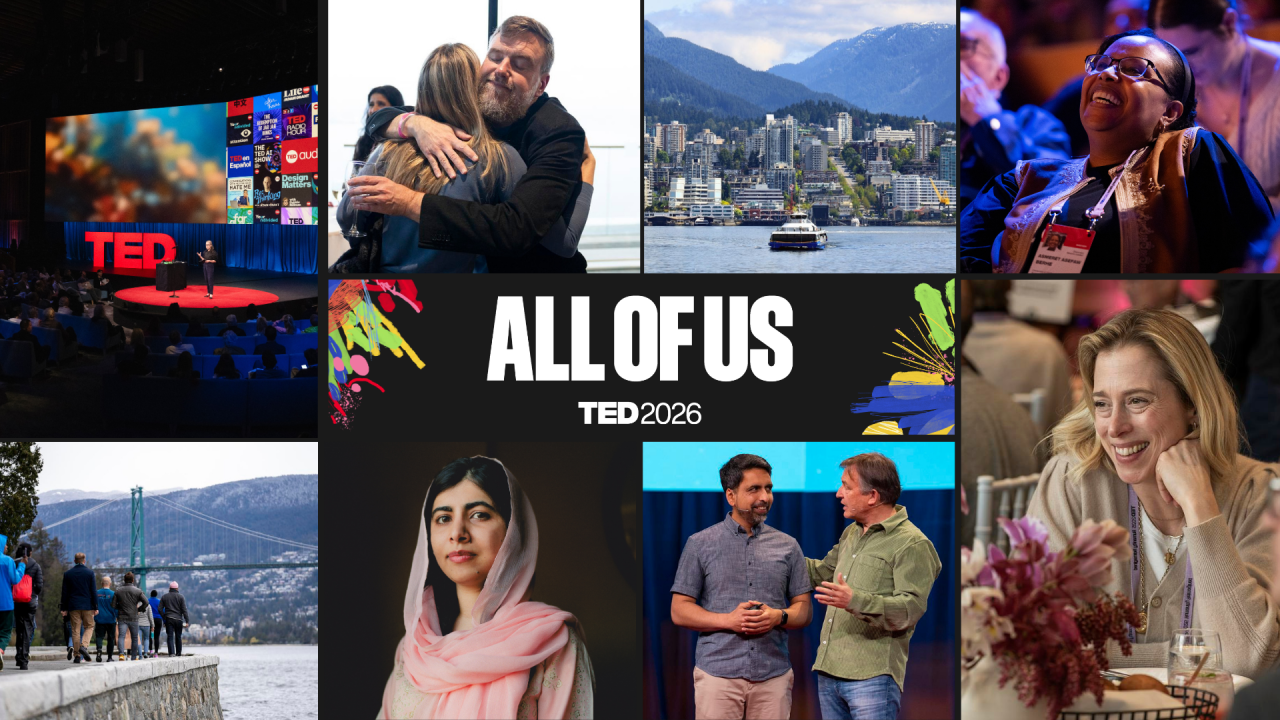
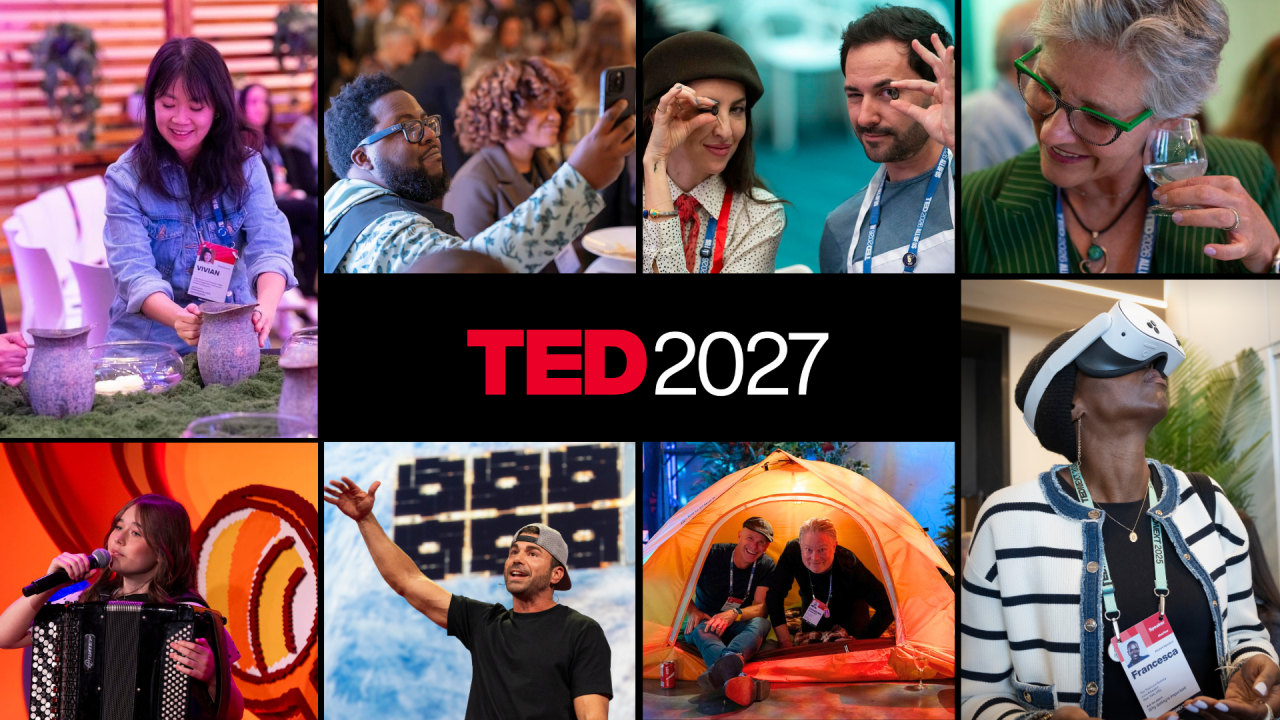
After 12 extraordinary years, TED2026: All of Us will be the end of a beautiful era in the city that shaped a generation of ideas. Beginning in 2027, TED returns to its California roots with a new home in San Diego. And watching how TED is navigating this transition offers a genuinely useful leadership lesson — not just in how organizations evolve, but in how you handle the chapters of your own life and career that are coming to their natural end.
4 leadership lessons from the end of an era
1. Know when your chapter is complete
It’s easy to stay and build on your success, but the leaders who have lasting legacies develop a different instinct: recognizing the moment where a strategy, a role or a relationship has served its purpose. Leaving with strength helps to unlock the next level of growth.
When you operate with a deep sense of curiosity, your fuel is forward momentum. Your fuel is thriving in the unknown, in discovering bold new horizons to explore while honoring all the ways you got there. Brave leaders deeply understand the power of harnessing those emotions and can read the signals that it's time to evolve, not just optimize.
TED speaker Bruce Feiler spent years researching what he calls "lifequakes" — massive bursts of change that lead to periods of reinvention. Watch this talk to learn how to navigate life's growing number of transitions with meaning, purpose and skill.
The question to sit with: Is there something in your work or life you should be asking not "how do I improve it?" but "has this served its purpose?"
2. Bet on the audacious, not just the achievable
There's a gravitational pull in leadership toward incremental, achievable and safe improvement. It's understandable, after all: "A little progress each day adds up to big results.” But the leaders who leave a lasting legacy — the ones who reshape industries, communities and institutions — aren't the ones who optimized. They're the ones who left their era of small wins and who asked a bigger question.
At TED2026, you'll meet the 2025 The Audacious Project cohort — 10 organizations launching bold new ideas to shift systems and solve the world's biggest challenges, supported by more than $1 billion in catalytic funding from the Audacious donor community.
The 2025 Audacious cohort includes:
- Arc Institute: Building the world's first AI-powered "virtual cell" to accelerate drug discovery
- Braven : Bridging college to career for low-income and first-generation students in the US
- Imagine Worldwide: Bringing affordable education technology to more than 4 million children across Africa
- Ipas: Preventing 16.3 million unsafe abortions by expanding access to reproductive care
- Plastic Solutions Fund: Eliminating 70% of single-use plastic by 2040
- Pure Earth: Ending childhood lead poisoning in 22 high-burden countries
- Destination: Home’s “Right at Home”: Stopping homelessness before it starts and making homelessness prevention core to US housing policy
- Solutions for Our Climate: Decarbonizing the maritime shipping industry
- The Ocean Cleanup: Intercepting one-third of river plastic before it reaches oceans
- Tiko: Protecting 3.5 million girls from HIV, unintended pregnancy and sexual violence through free care and services
In eight years, the Audacious community has committed $4.6 billion to 70 projects. What makes an Audacious project different? They're not quick fixes. Every project begins with an insight — something made visible by living and working close to a problem, that is then turned into a bold, achievable plan to make the seemingly intractable, possible.
The question to sit with: Where are you playing it safe when the moment is calling for something bigger?
3. Choose rooms that expand your thinking
The most valuable growth doesn't happen in a course, a webinar or a carefully crafted feed.
It happens when you’re in a room with people who see the world differently, wrestling with problems you didn't know existed, making connections you couldn't have engineered alone.
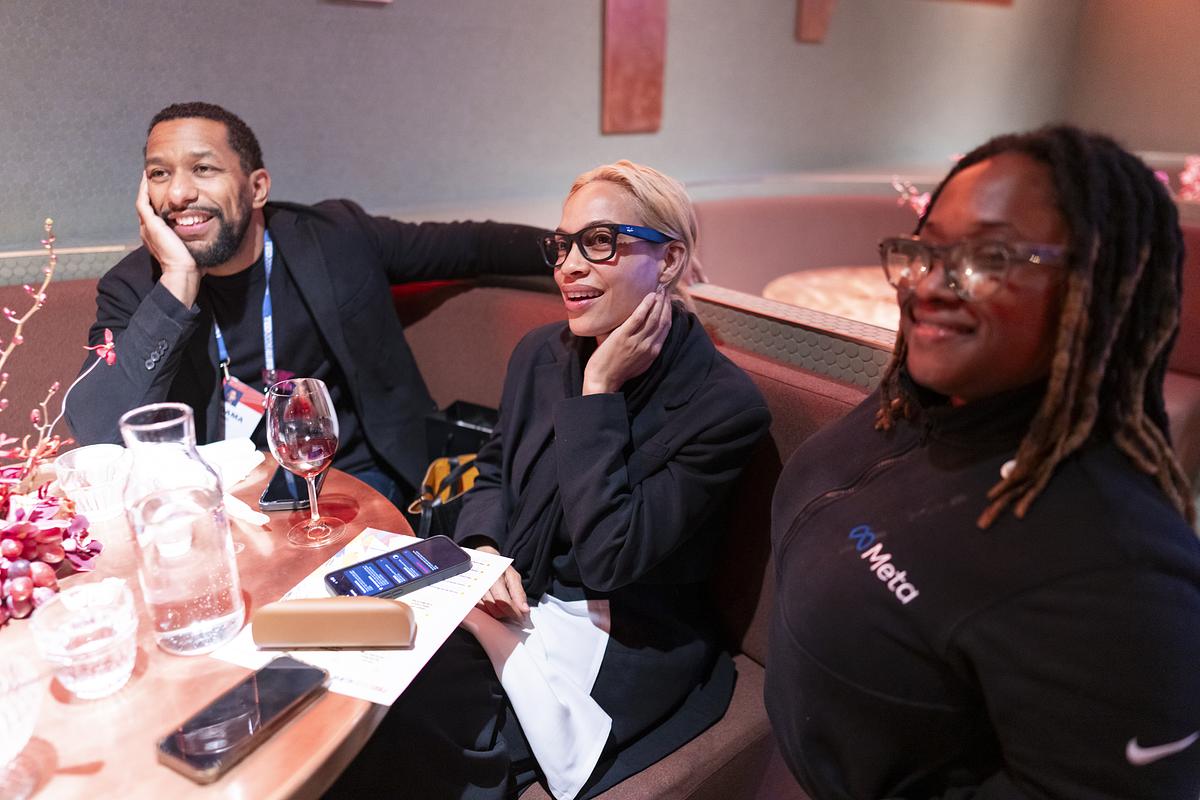
TED is built around the belief that proximity to different thinking changes you in ways that content consumption simply cannot. Ideas from across the entire spectrum of humanity and lived experience collide in that room. People respectfully disagree. Conversations deepen understanding in real time. And you leave not just informed but genuinely shifted — in ways you often can't fully articulate until weeks later.
We don't run from the complexity of this moment. We believe the answer to a fractured world isn't retreat but a dialogue that includes all of us.
At TED2026, the people on the stage and the leaders beside you in the room or on your screen will challenge, inspire and expand how you see what's possible.
Some of those voices include:
- Malala Yousafzai, Nobel laureate and education activist
- Jonathan Haidt, Social psychologist
- George Butler, Reportage artist
- Paul Bloom, Human nature decoder
- Kelly Boesch, AI world builder
- Steve Huffman, Cofounder and CEO of Reddit
- Mark Whittle, Astronomer
- Candice Odgers, Tech and teen expert
- Blake Mycoskie, Social entrepreneur
- And many more (announcements coming soon!)
The question to sit with: When did you last leave a room genuinely changed by what happened inside it?
4. Make the ending worthy of the beginning
The best endings aren't somber. They're a celebration of everything that got you here and a worthy launch pad for what comes next. TED2026 is exactly that!
Twelve years in Vancouver produced some of the most watched, most shared, most cited talks in TED's history. It's where ideas about the future of AI, climate, mental health and human connection moved from the margins to the mainstream. It's where a generation of leaders — many of them reading this right now — built bridges to their next chapter, a greater understanding and deeper connections.
We are celebrating that in a big way to make this ending worthy of its beginning. To honor what we've built, this year's program reflects everything Vancouver made possible and points directly toward what San Diego will become.
The question to sit with: What will you leave behind in your next chapter? And what would you take with you?
Endings aren't conclusions. They're credentials.
Every era ends. The question is not whether you'll see it coming — but whether you'll recognize it in the rearview mirror.
The leaders who build legacies aren't the ones who held on longest. They're the ones who knew when to honor what was, bet boldly on what's next, showed up in the rooms that challenged them and had the courage to make their endings as intentional as their beginnings.
You already know which chapter is closing. The only question is what you’re going to do next.
Share this Story
.jpg)