.jpg)
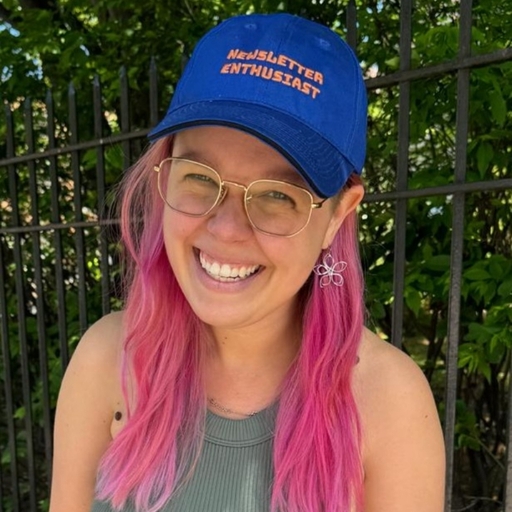
Hi! It’s Renae Reints, TED’s Newsletter Editor (and your favorite conference correspondent) here again to take you through the world of TED2026: All of Us.
This conference is happening amid … a lot, globally speaking. The rules of politics, technology, and culture are being rewritten — and it will require all of us to build a hopeful pathway forward. No matter who you are, what you do or where you live, we need to come together like never before to chart this path.
The TED conference is a microcosm of this beautiful work in action. For five idea-filled days, we’re prioritizing connection over conflict, understanding over ego and creativity over conformity.
These are values essential to any community — and the workplace in particular. I spoke to attendees, speakers and alumni of the TED conference to bring you their insights. So today, let’s chat about four ways to bring this unifying energy into your everyday (work)life.
How to find common ground — even at your most divided
1. Start with the basics
Ask yourself: What is my intention? Am I aiming to understand? Or to prove someone wrong? Successful conversations are grounded in a deep curiosity, respect and a desire to connect.
“There's a big difference between unity and unanimity,” said Joshua Johnson civic bridge-builder and TED speaker. “You don't have to agree on all of the points. But if you're willing to sit down together, to work under the same set of rules or standards, to treat each other with respect and not be dehumanizing or insulting, that is a kind of unity you can build on.”
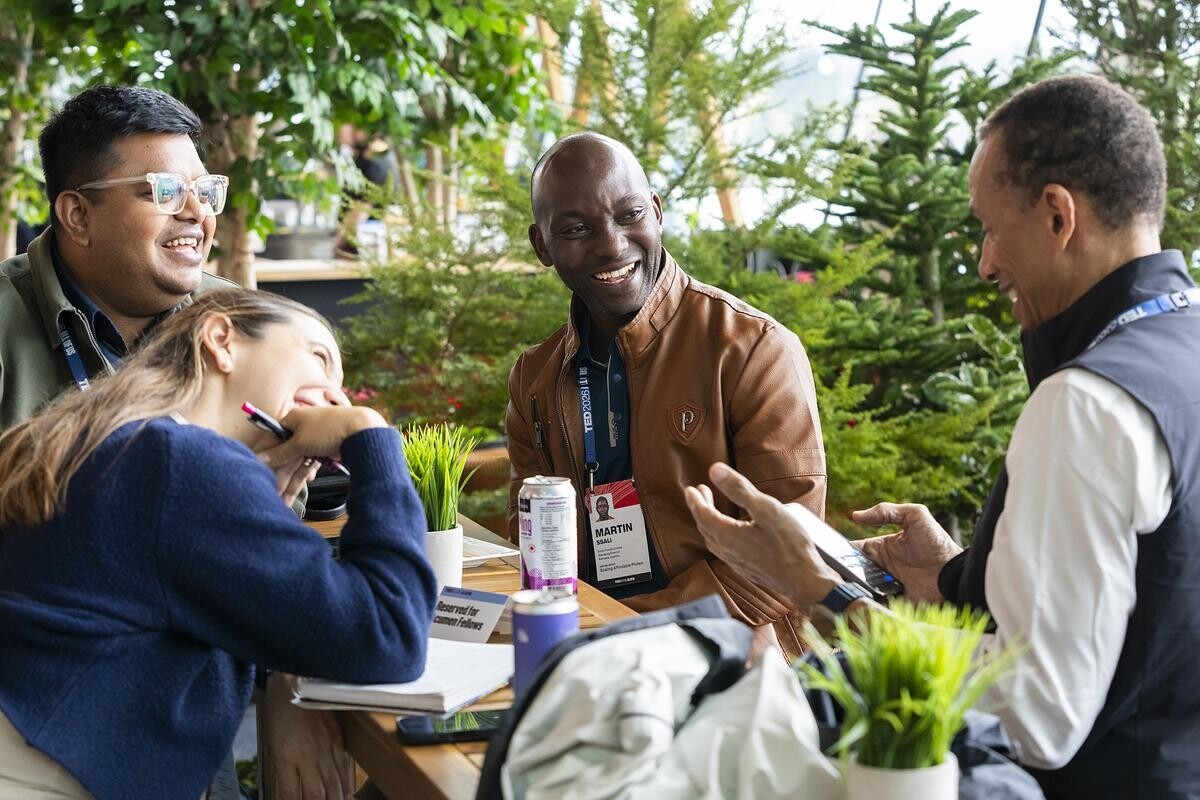
At TED, the Braindate Lounge offers a powerful framework for this type of connection. Attendees can connect with strangers in a comfortable, structured environment — one where everyone arrives with open-mindedness and a desire for discovery.
“Understanding begins with connection. One-to-one conversations create trust, and trust is what allows people to truly listen and learn from one another,” said Jessica Calter, MBA, senior VP of advancement and external affairs at Visit Philadelphia, one of TED’s partners.
2. Actually listen to one another
“Too often what we’re doing when we’re listening is we’re preloading our verbal gun with ammunition, ready to fire,” said Emily Kasriel, TED speaker and author of Deep Listening: Transform Your Relationships with Family, Friends and Foes. If we actually listened to one another, we can better understand where opposing views come from.
Pro tip: Set yourself up for success with the right body language. “If we’re face-to-face, either I want to kiss you or kill you,” said Kasriel. Ideally, you sit at a sixty degree angle from one another in a quiet, comfortable environment.
“A lot of people, particularly young people, fear that if they listen to somebody who they disagree with, it signals agreement — and therefore they don’t. And we retreat into our cocoons and the perception we have about the other side is often so misconstrued,” said Kasriel. “By recognizing the humanity in the other person, we feel more human ourselves. We feel more connected and we realize that they, too, are human.”
If you’re really struggling to understand someone’s perspective, she suggests asking, “What in your life experience has led you to believe what you do?” This gives you a personal backdrop that humanizes the other, opening the door to deeper understanding.
3. Lean on your community
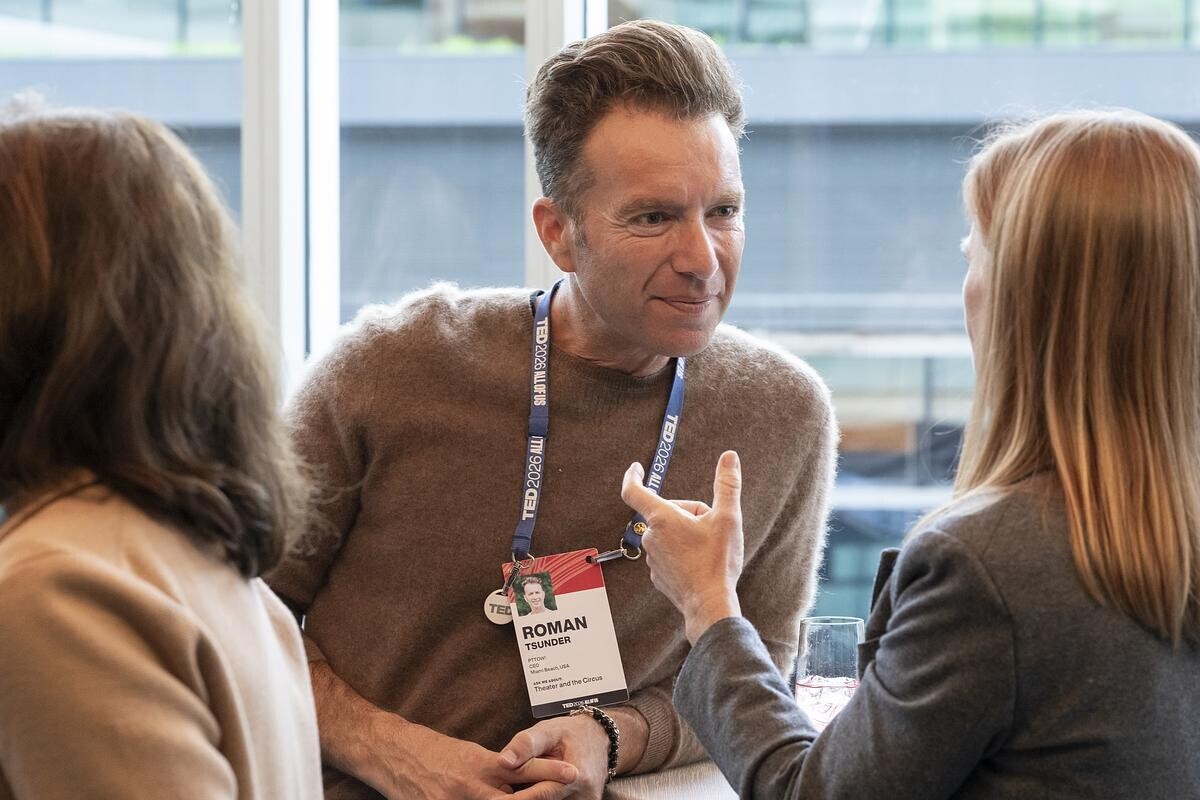
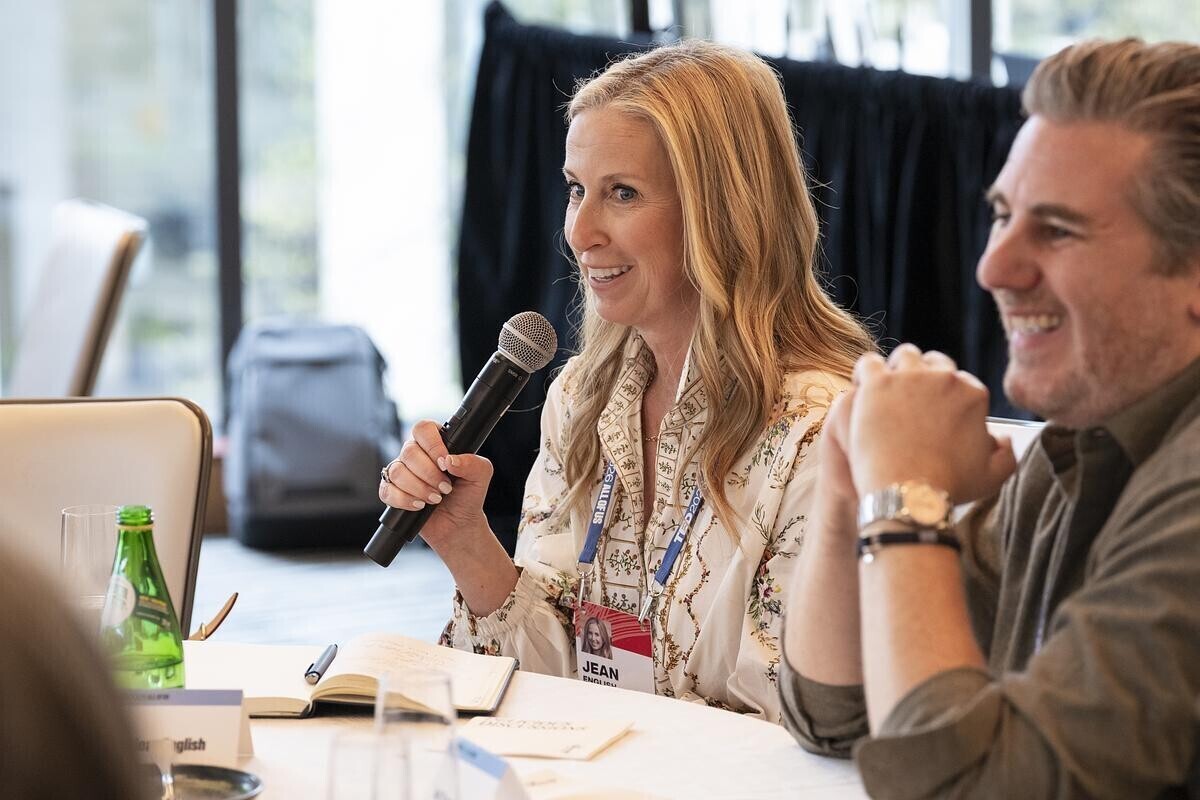
Katharina Pesch, global strategic partnerships lead at TED, shared how the C-Suite tracks — intimate, invitation-only leadership experiences that run alongside the broader TED program — are forming community and fostering unity this week.
“Across the sessions, we’re exploring what it means to lead in a moment where technology is accelerating, trust is more fragile, and the consequences of decisions are more widely felt,” she said.
Through structured dialogue, peer coaching and reflection prompts, participants leave with greater awareness of their own assumptions, blind spots and leadership patterns — as well as a sense that they’re not navigating this moment alone.
“There’s real value in seeing how others are grappling with similar tensions, whether that’s AI, trust, organizational change, or the evolving role of leadership itself,” said Pesch.
While finding peers in your career is invaluable, so is a simple one-on-one connection with a friend. Everyone I spoke to emphasized the need to simply reach out, have a human conversation and see where it leads.
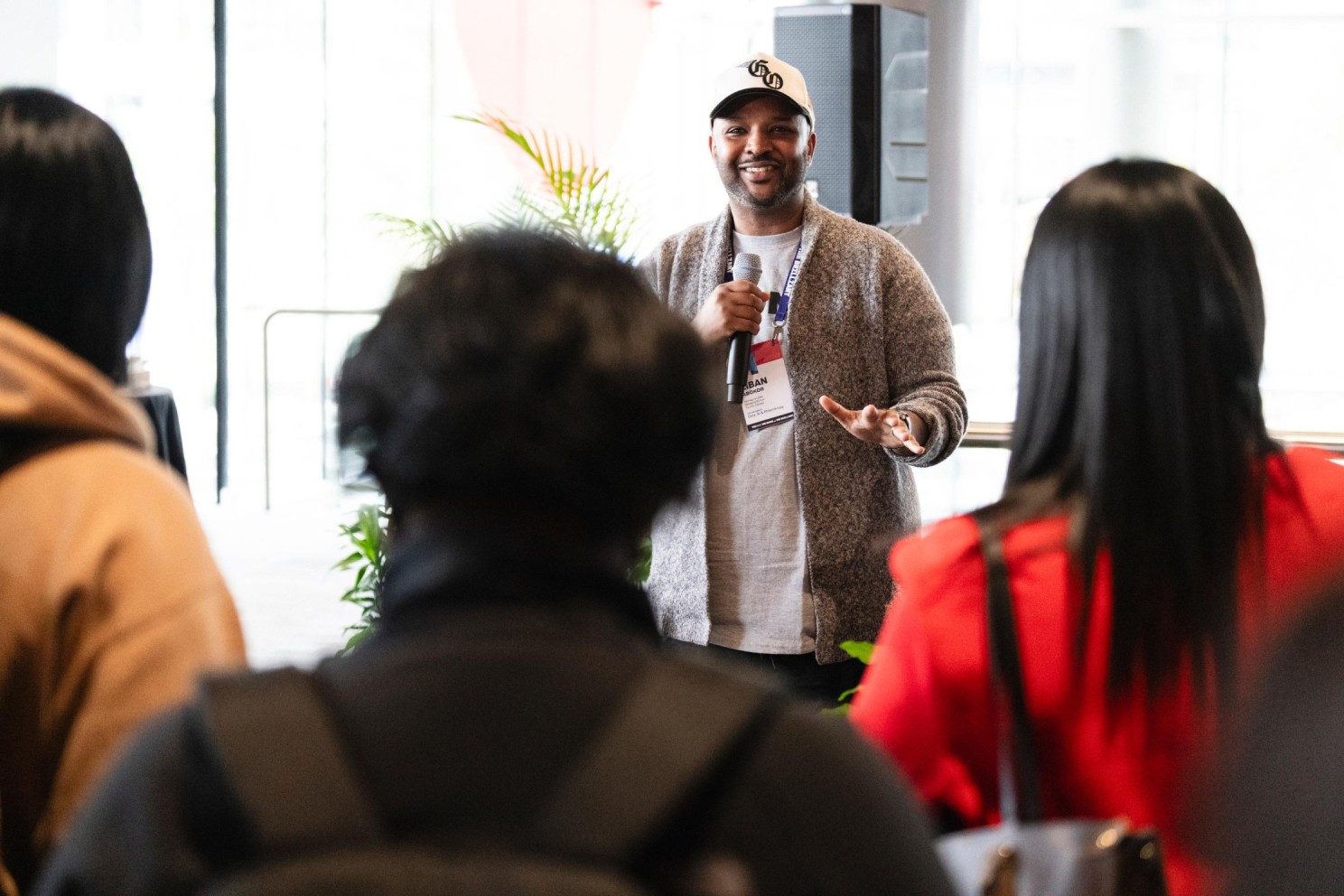
“You would be surprised how many people want to hear and just spend time with you. You don’t have to have been on the TED stage to think that your words, your feelings matter,” said Liban Abokor, LL.D., CEO of Reimagine LABS and founder of the Foundation for Black Communities, a TED impact partner.
He recommends simply calling a friend you haven’t spoken to in a while. Ask, “How are you?” and open the door to conversation. “Between you two, there’s a community that can be started.”
4. Recognize your responsibility
Just as a community starts with two people, impact can start with one.
“To folks who feel too overwhelmed to believe that they have anything to give, to have an impact, please remember that you are the answer to someone’s prayer,” said Judge Victoria Pratt, a criminal justice reform advocate and TED speaker.
“Sometimes the overwhelm is a distraction. The overwhelm is a way to not get to doing the thing that we are called to do,” she added. “We don’t really have the luxury of staying in our overwhelm and not being of service and using our gifts and talents to serve the world.”
Embracing an exhilarating, terrifying future — especially in community — unlocks possibility. Even the wildest ideas are worthwhile.
“A creative idea sparks energy and excitement in all of us. When we encounter that inspiration, it's only natural to share it,” said Brian Beck, brand activation manager at POSCA, one of TED’s partners. “‘All of Us’ means we have a responsibility to actively contribute to a better future – within ourselves, with each other and as a society.

And so it begins…
The first day of TED2026 was filled with inspiration, connection and hope. As I’m writing, I overhear attendees discussing their latest entrepreneurial endeavors, travels, international politics and how their communities are reacting. Already, all of us are connecting, dreaming, hoping for what’s next.
Are you ready to join in? You can watch new talks streamed live from TED2026 and witness the magic virtually from anywhere in the world with TED Live. Malala Yousafzai shared her story from the TED stage last night. You won’t want to miss what’s next.
.jpg)